
Ever noticed how more skin warmth can make you look healthier instantly? If you spent a weekend at the beach frolicking under the sun (but with protection), a bronzer can do that for you. However, there’s a fine line between a natural sun-kissed finish and a streaky, orange mess. Learning how to apply bronzer correctly is the difference between a glowy goddess and a muddy patch. This guide walks you through the steps in picking the right shade and techniques when applying bronzer in your routine.
Snap Guide
- Skill level: Beginner-friendly
- Tools needed: Fluffy brush or sponge
- Application zones: Forehead, cheeks, jawline
- Time required: 3–5 minutes
- Finish: Healthy, natural glow
What A Bronzer Does (and Doesn’t Do)
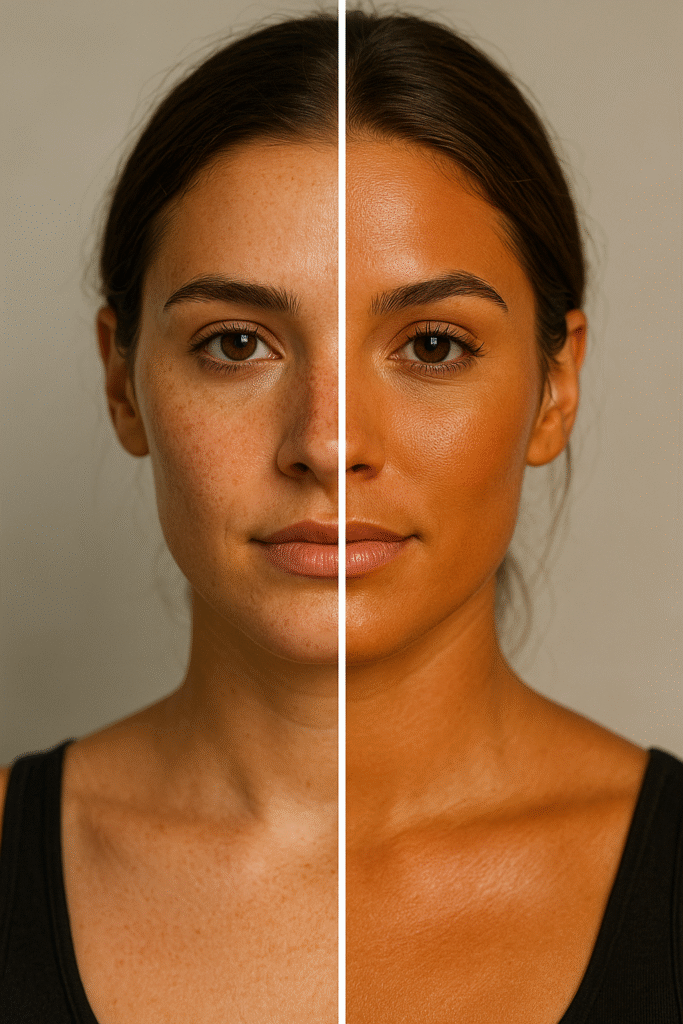
Bronzers are designed to mimic a healthy tan by adding warmth. However, don’t expect it to carve out sharp angles, as that’s a contour’s job. If blushes color and contours sculpt, bronzers give the illusion of sun-kissed skin. It’s like an Instagram filter for real life.
Before we continue further, ask yourself if you want definition or radiance. The answer will tell you whether bronzer or contour is the hero you need at the moment.
Choosing the Right Bronzer
Not all bronzers are created equal. Picking the wrong formula or shade can leave you looking flat or mismatched. Here’s how to get it right:
- Powder bronzer: Best for oily or combination skin. Easy to blend and great for beginners.
- Cream or stick bronzer: Ideal for dry skin or anyone who wants a dewy finish.
- Matte bronzer: Perfect for everyday; creates soft warmth without shimmer overload.
- Shimmer bronzer: Great for evenings or when you want extra glow.
Undertone Matching
- Fair/light skin: Choose neutral or slightly peachy bronzers.
- Medium/olive skin: Golden or warm bronzers bring out your natural tones.
- Deep skin: Rich, red- or terracotta-based bronzers add believable warmth.
Tools You’ll Need
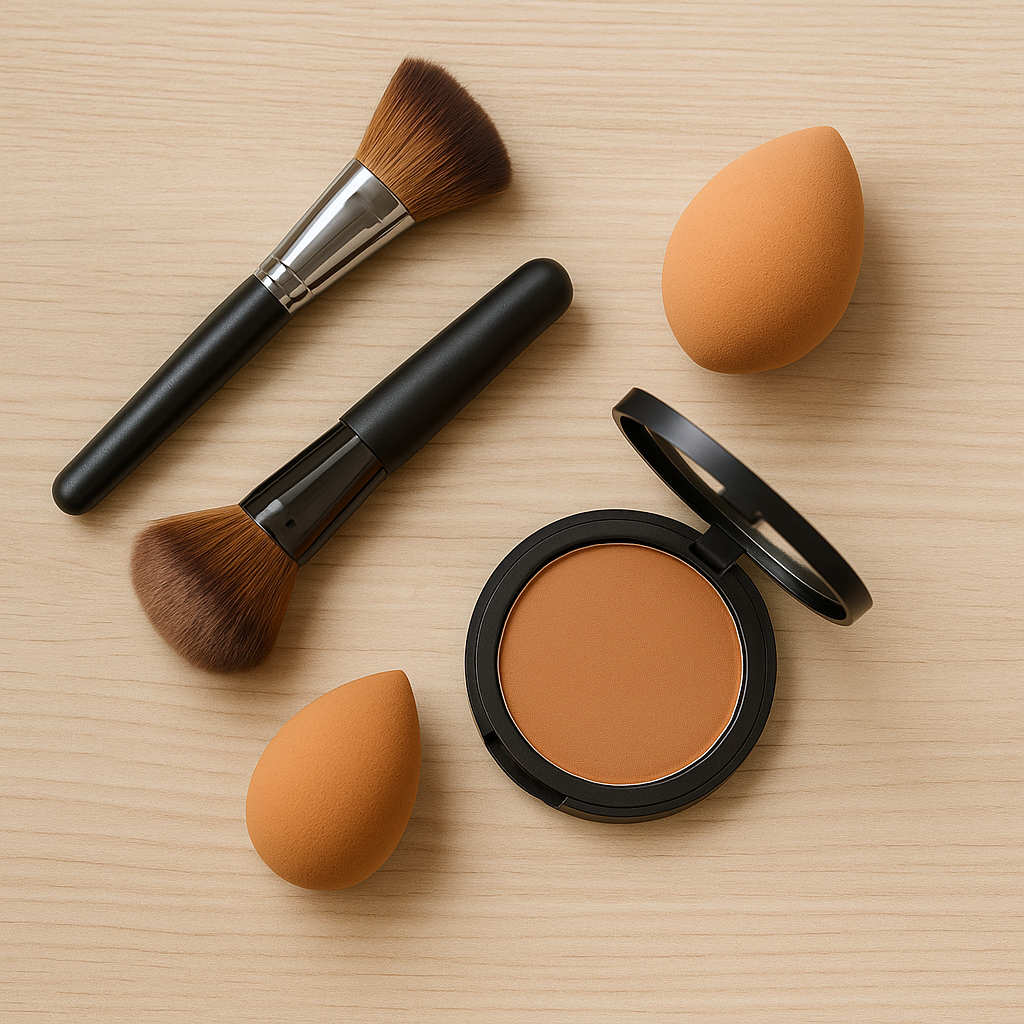
The right tool makes all the difference. Here are the usual tools for the proper application of bronzers:
- Fluffy angled brush: For soft, diffused application.
- Kabuki brush: Delivers more pigment if you want a bolder look.
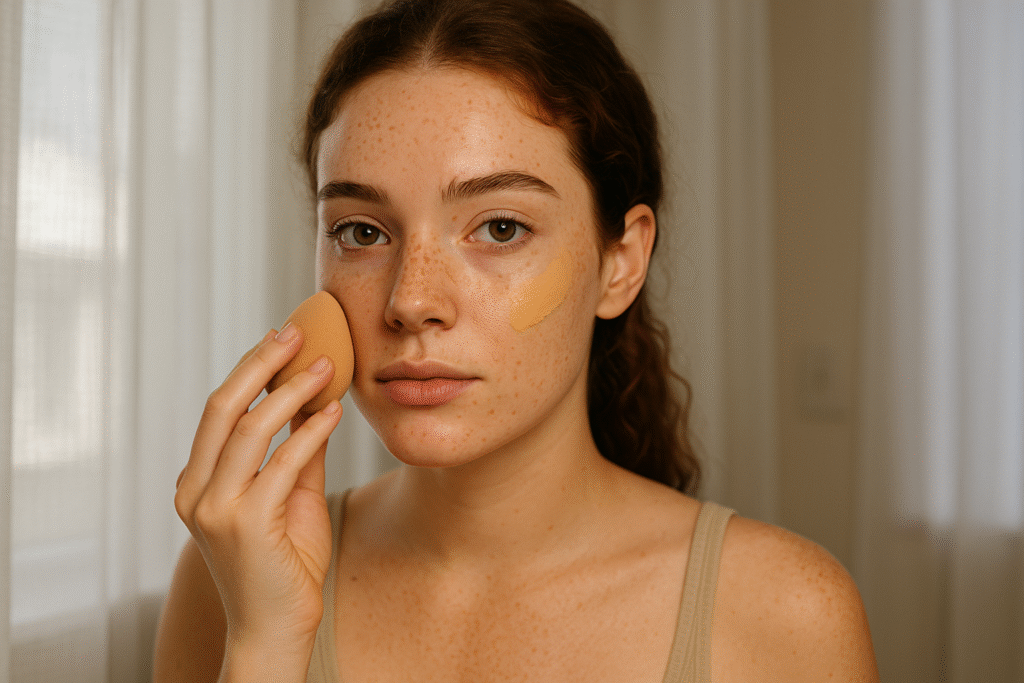
- Damp sponge: Great for blending cream bronzer seamlessly.
Pro tip: Always shake off excess powder before applying. Too much product on the brush is the quickest route to unsightly streaks.
Step-by-Step: How to Apply Bronzer
A bronzer is for restoring your natural skin warmth, not repainting it. Follow this step-by-step guide to apply bronzer so it looks sun-kissed and never streaky.
Step 1: Prep Your Base
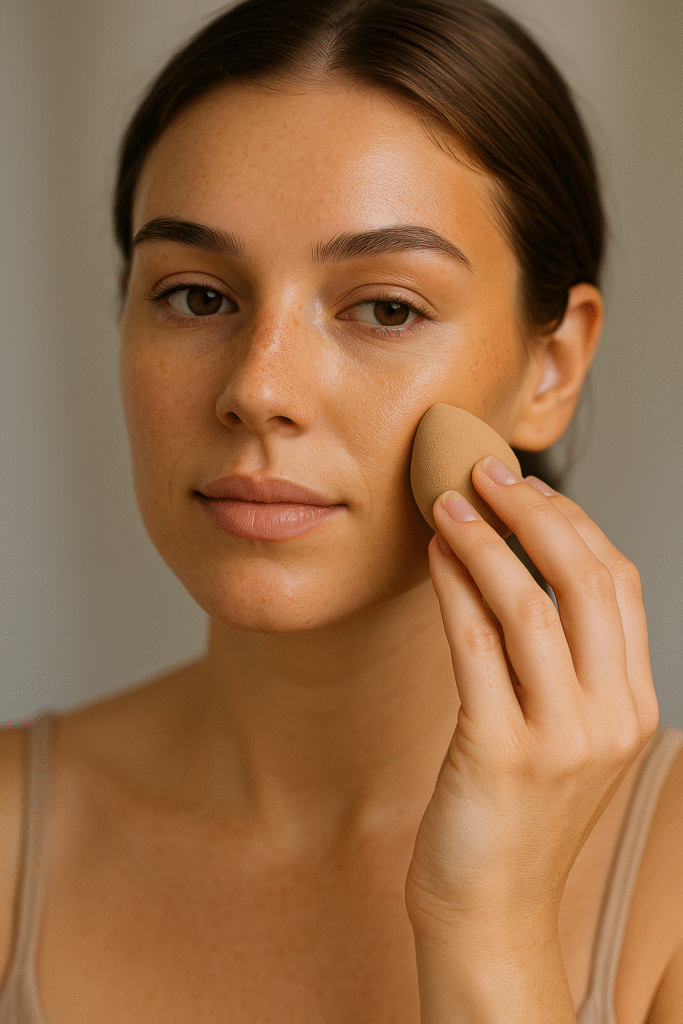
Apply your foundation or tinted moisturizer first to help your bronzer blend well; it works best on a smooth base. If you prefer a bare-skin day, a touch of cream bronzer still works fine.
Step 2: The “3-Shape” Technique
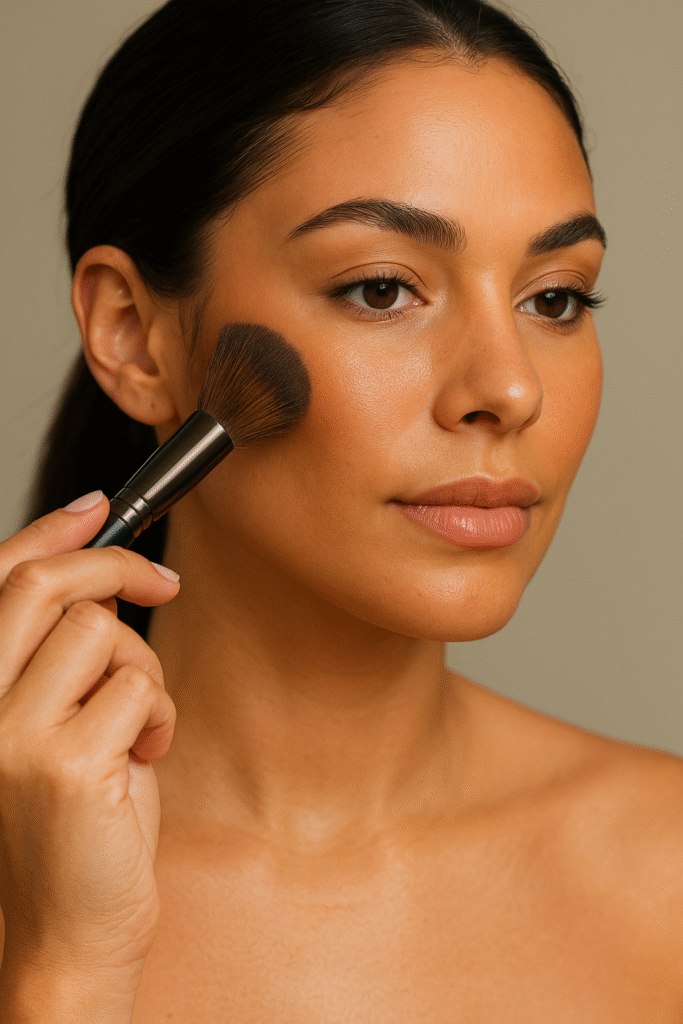
Imagine drawing a number “3” on the side of your face. Start at your temple, sweep down to your cheekbone, and curve along your jawline. This technique hits all the areas where the sun would naturally tan your skin.
Quick check: Does it look too strong? Blend in small circular motions to soften.
Step 3: Blend, Blend, Blend
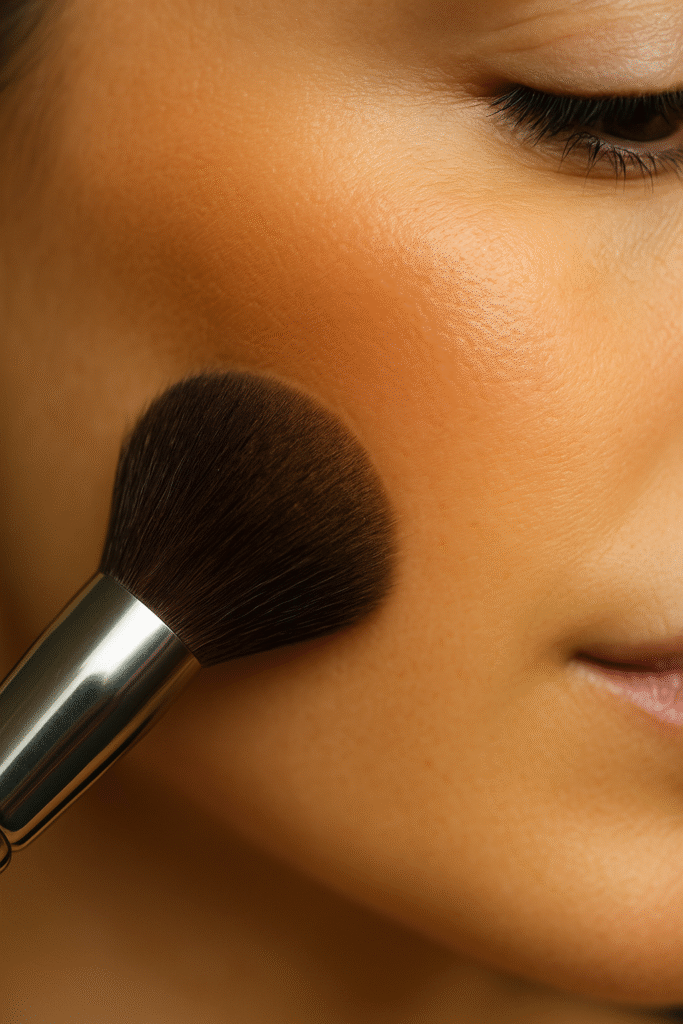
Harsh lines can ruin the effect. Use light pressure to work the product into your skin until it looks seamless.
When in doubt, keep blending. It’s always easier to add more than to subtract.
Step 4: Optional Extras
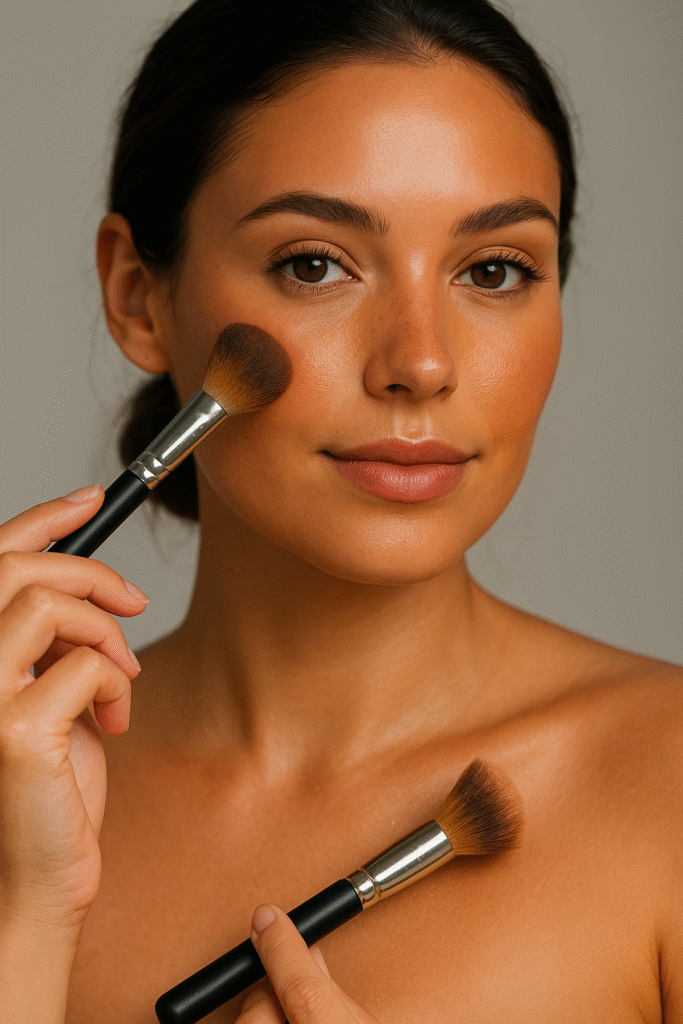
- Nose: Lightly sweep across the bridge for a sun-touched effect.
- Neck and chest: Add a dusting to avoid a mismatched face-to-body situation.
- Shoulders/collarbone: A touch of shimmer bronzer here looks stunning in photos.
Practice these steps regularly, and you’ll achieve that balanced, warm look every time with bronzers. If you want to take your techniques to the next level, go check out Allure’s bronzer guide for more info.
Common Mistakes and How to Fix Them
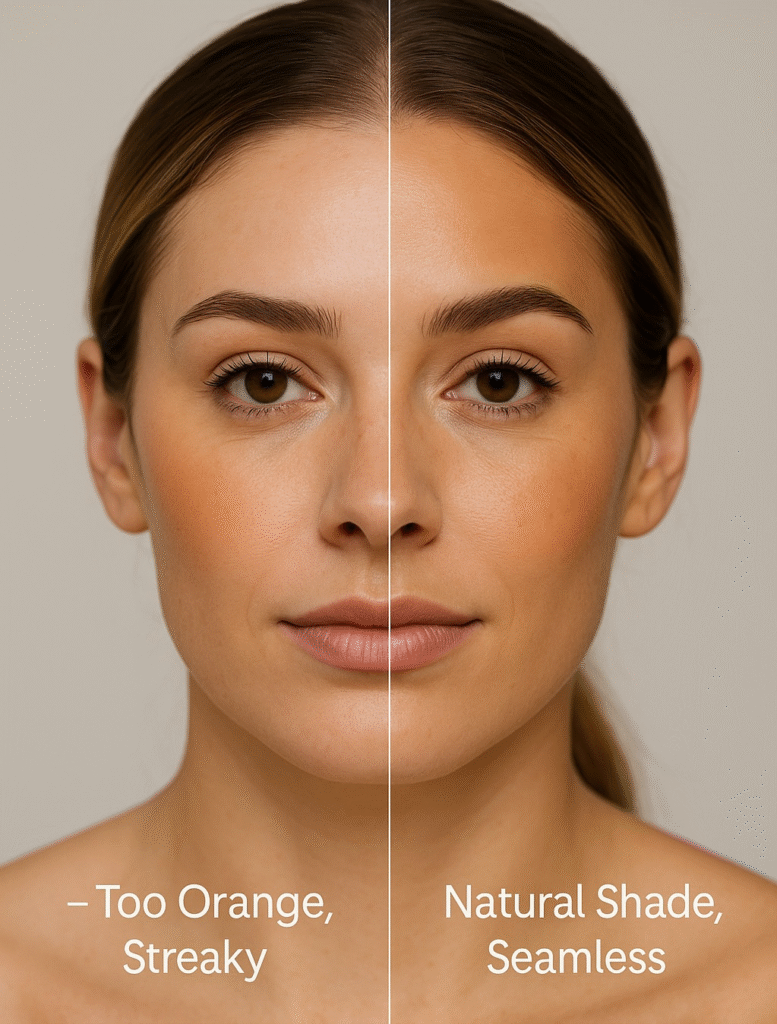
Even with the best bronzer, it’s easy to get streaky in a swipe. Luckily, most bronzer blunders are quick to fix once you know what to look for.
- Looking orange? Your bronzer is too warm. Choose one or two shades darker than your natural skin tone, not five.
- Streaky finish? Switch to a softer brush and blend in circular motions.
- Too much shimmer? Save it for evening and stick with matte during the day.
- Flat look? Layer bronzer with blush for more dimension.
Even pros slip up with this product! But with these quick fixes, you’ll recover quickly.
Bronzing Made Simple
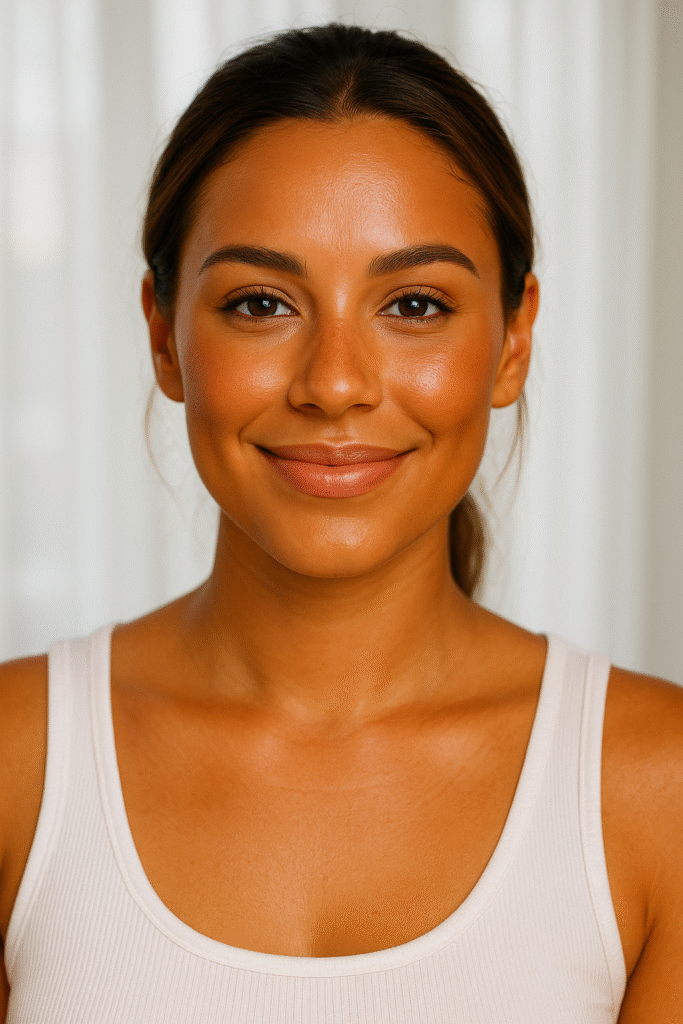
Mastering how to apply bronzer isn’t about memorizing rules; it’s about understanding placement, shade, and blending. With the right tools and a little practice, bronzer becomes the fastest way to look fresh, confident, and effortlessly glowing.
Tell us what you think: Do you prefer a subtle everyday bronze or a full glam glow?
Frequently Asked Questions
Do I apply bronzer before or after foundation?
Bronzer goes on after foundation and concealer, so it blends smoothly into your base. On bare-skin days, cream bronzers work without foundation.
What’s the difference between bronzer and contour?
Bronzer warms up the skin for a sun-kissed glow, while contour is used to add shadows and definition.
Where should I apply bronzer for the most natural look?
Stick to the high points of your face where the sun naturally hits: forehead, cheeks, and jawline. A light sweep across the nose can make it more natural.
How do I choose the right bronzer shade?
Pick a shade one to two tones darker than your natural skin, and always check the undertone. Warm for golden glow, cool for subtle definition, and neutral for balance.